
Interleukin-2 (IL-2) inhibitors represent a rapidly emerging category of immunomodulatory therapies designed to target IL-2 signaling, a pivotal pathway in immune system regulation. By selectively influencing IL-2 activity, these therapies aim to address a broad spectrum of autoimmune diseases, inflammatory conditions, and select cancers. IL-2 inhibitors offer a targeted alternative to traditional immunosuppressive treatments, with the potential for improved safety and efficacy.
Explore the latest IL-2 inhibitor pipeline insights for 2025 and stay updated on emerging therapies and market dynamics.
https://www.delveinsight.com/report-store/interleukin-2-il-2-inhibitor-pipeline-insight
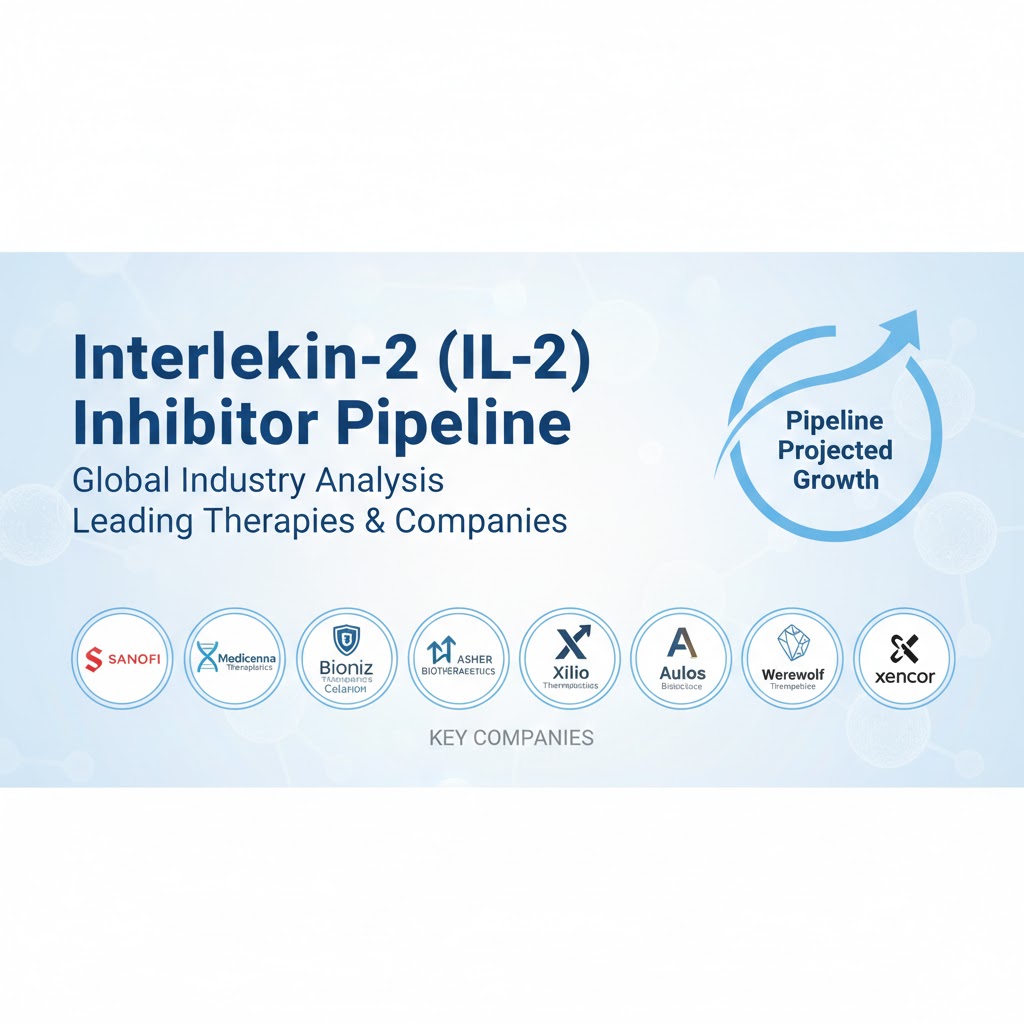
Key Companies in the Interleukin-2 (IL-2) Inhibitor Landscape
Major companies actively developing IL-2 inhibitor therapies include Sanofi, Medicenna Therapeutics, Bioniz Therapeutics | Celerion, Asher Biotherapeutics, Xilio Therapeutics, Aulos Bioscience, Krystal Biotech, Werewolf Therapeutics, Xencor, Shanghai Junshi Biosciences, Egle Therapeutics, ILTOO Pharma, along with several other emerging players.
Stakeholders can explore detailed insights into the 2025 IL-2 inhibitor pipeline, including emerging therapies and evolving market dynamics, through DelveInsight’s comprehensive report.
Emerging Therapies in the IL-2 Inhibitor Pipeline
The IL-2 inhibitor development landscape is advancing rapidly, with numerous candidates progressing through preclinical and clinical stages. Current research focuses on monoclonal antibodies, fusion proteins, and receptor-targeted biologics engineered to precisely suppress IL-2 activity. These next-generation approaches aim to minimize unintended immune suppression while maximizing therapeutic benefit.
Several promising candidates are being investigated for autoimmune indications such as rheumatoid arthritis, multiple sclerosis, and psoriasis. In oncology, IL-2 inhibitors are also being evaluated in combination with immune checkpoint inhibitors, highlighting their adaptability across diverse immune-mediated conditions.
Interleukin-2 (IL-2) Inhibitor Market Drivers
Multiple factors are contributing to the expansion of the IL-2 inhibitor market. The increasing global burden of autoimmune and inflammatory disorders has intensified demand for targeted immunotherapies. Advances in cytokine biology and deeper insights into IL-2 signaling mechanisms are enabling the development of more selective and effective inhibitors.
Additionally, the growing emphasis on personalized medicine and immune-targeted treatment strategies is attracting significant investment in IL-2 inhibitor research. Regulatory incentives, including orphan drug designations and breakthrough therapy pathways, further support market growth. The potential to deliver superior patient outcomes with fewer side effects compared to conventional immunosuppressants also enhances adoption prospects.
Interleukin-2 (IL-2) Inhibitor Market Barriers
Despite encouraging progress, the market faces notable challenges. High research and development costs, complex biologic manufacturing processes, and rigorous regulatory requirements may delay commercialization timelines. Safety considerations particularly the risk of excessive immune suppression and increased susceptibility to infections remain critical concerns.
Moreover, limited long-term clinical data, uncertainties around optimal dosing strategies, and challenges in identifying appropriate patient populations could influence physician confidence and uptake. Competitive pressure from other cytokine-targeted and immunotherapy approaches may also affect market penetration.
Interleukin-2 (IL-2) Inhibitor Pipeline Report Highlights
- The IL-2 inhibitor market is expected to witness substantial growth, supported by sustained research efforts and rising global healthcare expenditures.
- Pharmaceutical companies and academic institutions are actively advancing innovative therapeutic strategies to address unmet needs and improve treatment outcomes.
- A strong and diversified pipeline of IL-2 inhibitor candidates is under development, with upcoming launches anticipated to significantly influence market dynamics.
- Improved understanding of IL-2 inhibitor mechanisms of action is driving the creation of next-generation therapies and strengthening the overall therapeutic landscape.
- The report delivers a comprehensive evaluation of pipeline assets across early, mid, and late stages of development, offering comparative insights to guide strategic portfolio decisions.
Conclusion:
The Interleukin-2 (IL-2) inhibitor pipeline represents a significant advancement in the management of immune-mediated diseases. Emerging therapies demonstrate strong potential to deliver precise immune regulation with enhanced safety and effectiveness. Addressing development hurdles and generating robust clinical evidence will be critical to unlocking full market potential. As scientific understanding continues to evolve, IL-2 inhibitors are well positioned to transform treatment paradigms for autoimmune disorders, inflammatory conditions, and select cancers, ushering in a new era of targeted immunotherapy.
Discover how Interleukin-2 inhibitors clinical trials are shaping the future of immunotherapy in 2025, learn about trends, trials, and breakthroughs.
About DelveInsight
DelveInsight is a leading healthcare consulting and market research firm specializing exclusively in the life sciences sector. The company supports pharmaceutical and biotech organizations with comprehensive, end-to-end solutions designed to enhance business performance, accelerate market growth, and address industry challenges through data-driven insights and strategic expertise.